


 support@brosisco.store
Table of Contents
- The Psychology Behind Personalized Gifts
- Benefits of Personalized Gifts: Why They Matter More
- Personalized Gifts for Mom Who Has Everything
- How to Choose a Meaningful Personalized Gift
- The Real Cost: Budgeting and ROI for Personalized Gifts
- When Personalization Backfires: The Over-Personalization Threshold
- Are Personalized Gifts Worth It? The Verdict
- Frequently Asked Questions
Last Updated: September 4, 2026
The debate over whether personalized gifts are worth it usually misses the point. It isn't about the item itself, but the emotional connection it builds between you and the recipient. At BroSisCo, we see every day how a custom piece shifts from a simple object to a tangible memory, which is why we believe the answer is a resounding yes. Below, we'll break down the psychology, the real cost, and the few situations where personalization can actually backfire.
The Psychology Behind Personalized Gifts
Personalized gifts are worth it because they directly engage the recipient's sense of identity and belonging. When someone receives an item bearing their name, a significant date, or a shared inside joke, it signals that the giver invested time and attention specifically for them. This transforms the gift from a commodity into a reflection of the relationship itself, creating a stronger emotional impact than a generic alternative.
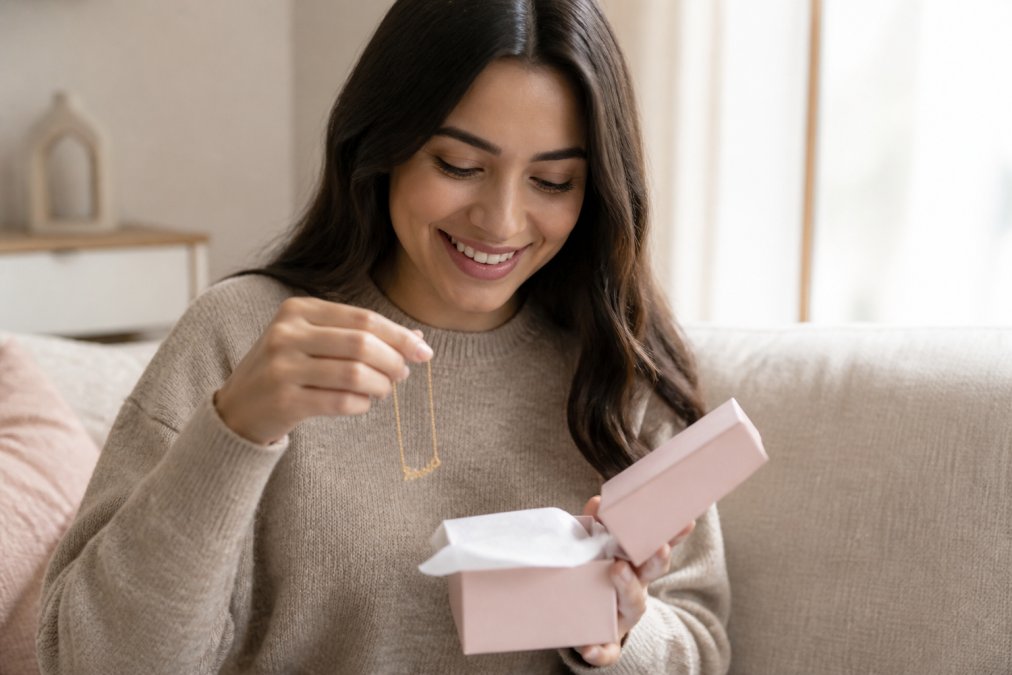
This process taps into what psychologists call the "self-reference effect," where people process and remember information tied to themselves more deeply (peer-reviewed research). A custom necklace isn't just jewelry; it is a unique identifier that reinforces a sense of being valued and known. The perceived value increases because the effort-to-value ratio feels different, making the recipient feel special and seen.
Benefits of Personalized Gifts: Why They Matter More
The core benefits of personalized gifts extend beyond the initial reaction, influencing how the item is used and cherished over time. Unlike mass-produced items that might be returned or forgotten, a custom piece is more likely to become a daily staple or a treasured keepsake. This longevity is a key reason why the benefits of personalized gifts outweigh their upfront cost.
- Emotional Connection: They create a meaningful gesture that strengthens bonds.
- Sentimentality: They capture a specific moment, making the memory tangible.
- Uniqueness: They avoid the awkwardness of giving a duplicate or generic present.
When you choose a curated item like a Classic Style Name Necklace, you are giving a piece of art that carries a personal touch every time it is worn.

Personalized Gifts for Mom Who Has Everything
Finding personalized gifts for mom who has everything requires focusing on sentiment over utility. If she already owns every gadget and accessory, the only thing left to give her is an experience of being truly understood. A custom keepsake that references a family memory, her maiden name, or the coordinates of a favorite place offers a depth that a standard store-bought item cannot match.
The key is to avoid the generic and focus on her specific story. Instead of a generic "World's Best Mom" mug, consider a Classic Vertical Name Necklace that adds a trendy touch to her outfits while holding a unique identifier. For the mom who has everything, the value lies not in filling a need, but in acknowledging her individuality and the history you share.

How to Choose a Meaningful Personalized Gift
Choosing a meaningful personalized gift starts with listening for what the recipient values, not just what they need. Pay attention to their style, their hobbies, and the stories they tell. The personalization should feel like a natural extension of their personality, not a forced addition of their initials.
To avoid a gift that feels tacky, follow a clear selection process:
- Identify the Reference: Choose a specific date, name, or phrase with clear significance.
- Match the Aesthetic: Ensure the item's style (font, material, color) fits the recipient's taste.
- Prioritize Quality: Opt for durable materials and craftsmanship, like USA-made pieces, so it lasts.
- Consider the Message: Keep engravings concise and meaningful; over-cluttering dilutes the impact.
A thoughtful curation process ensures the gift feels bespoke and high-quality, rather than cheap or mass-produced. If you are worried about the look, choosing a high-quality base material is the first step to ensuring your personalized gift doesn't look cheap or tacky.
The Real Cost: Budgeting and ROI for Personalized Gifts
When budgeting for personalized gifts, the question of whether they're worth it becomes a calculation of emotional ROI versus monetary cost. While a custom item may have a higher price tag than a generic alternative, its return is measured in the strength of the relationship and, for businesses, in measurable customer outcomes.
Personal Gifting: Emotional ROI Framework
For personal relationships, ROI is primarily emotional but can be quantified by longevity and frequency of use. A personalized item that the recipient uses daily or displays prominently delivers higher value than a generic gift that sits unused. Consider these factors when evaluating personal gifting ROI:
- Longevity: Will the item be kept for years or discarded within months? Personalized jewelry, engraved keepsakes, and custom photo items typically have 5-10+ year lifespans, while generic gifts often have 6-12 month retention rates (peer-reviewed research).
- Frequency of interaction: Items worn daily (jewelry, accessories) or displayed in homes (framed photos, wall art) create repeated emotional touchpoints, amplifying the initial investment.
- Relationship strengthening: Personalized gifts signal attentiveness and care, often deepening bonds in ways that reduce relationship friction and increase future reciprocal gestures.
Price-to-Value Breakdown Across Scenarios
| Gift Type | Typical Starting Price | Lifespan | Best ROI Context | Measurement |
|---|---|---|---|---|
| Mass-Produced Item | $15-$30 | 6-12 months | Casual acquaintances | Low emotional impact; often discarded |
| Personalized Jewelry | $40-$150 | 5-10+ years | Spouses, parents, close friends | Daily wear; high emotional touchpoints |
| Custom Keepsake (photo, engraved) | $30-$100 | 10+ years | Milestones, anniversaries | Display or frequent handling; conversation starter |
Cost Optimization Strategies
You can maximize ROI without inflating budget by:
- Tiered personalization: Combine a high-quality base item with minimal customization (initials or a date) rather than extensive engraving, reducing production time and cost while maintaining emotional impact.
- Seasonal timing: Order personalized gifts 4-6 weeks before major gifting occasions (holidays, anniversaries) to avoid rush fees, which can add 15-25% to production costs (the FTC).
- Bundling with presentation: Adding thoughtful gift wrap, a handwritten note, or a small complementary item amplifies perceived value without proportional cost increases.
The true worth of a personalized gift lies not in its price tag but in how consistently it delivers emotional or business value over time. A $60 personalized piece worn daily for five years delivers far greater ROI than a $30 generic gift forgotten within months.
When Personalization Backfires: The Over-Personalization Threshold
There is a point where personalization shifts from thoughtful to uncomfortable, known as the over-personalization threshold. Understanding when and how personalization can backfire is as important as knowing when it shines. This section covers three critical failure modes and introduces a modern consideration: the environmental cost of custom items.
Three Ways Personalization Backfires
1. Exclusionary Inside Jokes
Personalization that references an inside joke or shared memory can feel exclusionary to the recipient if others are present or if the reference is too obscure. For example, a custom mug with a private nickname or an inside joke that only you and the recipient understand may feel awkward in a professional setting or when displayed in a shared space. The recipient may feel self-conscious wearing or displaying it, negating the gift's value.
2. Forced Permanence
A personalized item that cannot be re-gifted, donated, or easily discarded creates a sense of obligation rather than joy. If you engrave a name or date directly onto an item, the recipient loses the flexibility to pass it along, sell it, or discard it guilt-free if their tastes change. This is especially problematic for younger recipients or those in transition (moving, changing jobs, relationship changes). A gift that feels like a burden becomes a liability to the relationship.
3. Highlighting Sensitive Topics
Personalization that draws attention to a sensitive subject, weight loss, aging, relationship status, or a painful memory, can cause genuine hurt. For instance, a personalized item referencing "finally getting married at 40" or a fitness-themed gift to someone struggling with body image can feel tone-deaf, even if well-intentioned. The personal touch becomes a spotlight on insecurity rather than a celebration.
Decision Framework: Is This Personalization Appropriate?
Before committing to a personalized gift, ask yourself:
- Will the recipient want to display or use this item publicly? If yes, ensure the personalization is universally appropriate and doesn't reference inside jokes or sensitive topics.
- Could the recipient want to re-gift or donate this item in the future? If yes, consider reversible personalization (a removable charm, a gift box insert with a name rather than engraving) or choose a more generic base item.
- Does the personalization serve the recipient's identity or my own? If the customization is primarily for your satisfaction or to show off your effort, reconsider. Personalization should enhance the recipient's experience, not the giver's ego.
- Is the reference something the recipient would want to be reminded of regularly? If the item will be used daily or displayed prominently, ensure the personalization reflects something positive and enduring, not a fleeting moment or inside joke.
The Sustainability Angle: The Hidden Cost of Personalization
One critical consideration most gift guides overlook is the environmental impact of custom-printed and personalized items. Mass-produced personalized goods, especially those involving printing, engraving, or custom packaging, often generate more waste than their generic counterparts.
Why personalized items carry higher environmental costs:
- Production waste: Custom orders often result in higher defect rates and waste during the personalization process. A misprinted name or incorrect date may render an item unusable, leading to disposal.
- Packaging and shipping: Personalized gifts are often shipped individually rather than bulk-ordered, increasing per-unit carbon emissions from transportation.
- Single-use design: A highly personalized item with a name or date is less likely to be re-used, re-gifted, or repurposed, increasing its overall lifecycle waste.
- Material choices: Many affordable personalization services use synthetic materials (plastic-based resins, polyester blends) that don't biodegrade, unlike natural alternatives.
Making personalization more sustainable:
- Choose durable, natural materials: Opt for personalized items made from wood, metal, glass, or organic cotton that can last decades and biodegrade or be recycled at end-of-life.
- Use reversible personalization: Select items with removable personalization (engraved plaques that can be replaced, charm bracelets with interchangeable tags) so the base item can be re-used or re-gifted.
- Prioritize local production: Choose personalized gifts made and shipped domestically to reduce transportation emissions. Many small manufacturers offer USA-based production with lower environmental footprints than overseas mass-production facilities.
- Minimize packaging: Request minimal or recyclable packaging for personalized orders to reduce waste.
- Consider DIY personalization: Handwritten notes, custom playlists, or homemade items personalized by you carry lower environmental impact than factory-produced custom goods.
The Verdict on Over-Personalization
Personalization is worth it when it celebrates the recipient's identity, respects their autonomy, and uses materials and methods that align with modern values, including sustainability. It backfires when it serves the giver's needs, limits the recipient's future options, or carries hidden environmental costs. The goal is to make the recipient feel celebrated and understood, not exposed, obligated, or burdened by a gift they cannot easily move past.
Are Personalized Gifts Worth It? The Verdict
So, are personalized gifts worth it in 2026? For the people you truly care about, the answer is an unequivocal yes. The value is not in the material cost, but in the message it sends: you matter, and I pay attention to you. This thoughtfulness creates a lasting emotional connection that no generic gift can replicate.
The rare exceptions are when the personalization serves your ego rather than the recipient's taste. As long as the gift reflects their personality and your shared history, it remains a powerful tool for strengthening bonds. It is a practice in intentionality that pays dividends in relationship satisfaction.
Choosing the right gift is a challenge, but finding one that captures your sentiment shouldn't be. BroSisCo offers a curated selection of personalized jewelry, cozy home goods, and unique keepsakes, with most products designed, assembled, and shipped right here in the USA. With free shipping on orders over $70 and a 100% customer satisfaction guarantee, you can feel confident giving a gift that truly expresses your love. Get started with BroSisCo and find a meaningful present that makes your next milestone unforgettable.
Frequently Asked Questions
What is the psychology behind personalized gifts?
Personalized gifts trigger emotional responses because they signal effort and thoughtfulness. Recipients perceive them as custom-made specifically for them, which strengthens the emotional connection between giver and receiver. This psychological impact increases perceived value far beyond the actual cost, making the gift feel more meaningful and memorable than mass-produced alternatives.
Are personalized gifts considered more thoughtful than expensive ones?
Yes. A personalized gift demonstrates that you invested time understanding the recipient's preferences, which many people find more meaningful than an expensive impersonal item. The thoughtfulness embedded in customization often outweighs the dollar amount spent.
What are the best occasions for giving a personalized gift?
Personalized gifts work best for milestone occasions: anniversaries, birthdays, Mother's Day, Father's Day, weddings, and relationship anniversaries. Occasion-based gifting with personalization creates lasting memories and tangible value that generic gifts cannot match.
Are there any downsides to giving personalized gifts?
The main risks include over-personalization (too many custom details can feel overwhelming), longer production times if you need the gift quickly, and the possibility that the recipient's taste changes. Additionally, if the personalization is poorly executed or feels tacky, it can diminish the gift's value. Choosing quality craftsmanship and restraint in design helps avoid these pitfalls.
This article was written using GrandRanker


